

Mastering Forex Trading: A Practical Approach to Success
Forex trading can be an incredibly rewarding pursuit, yet it is accompanied by significant risks and challenges. It’s a field where participants need not only knowledge but also practical experience to navigate successfully. In this article, we’ll explore various methods and techniques to improve your forex trading practice, ensuring that you are well-equipped to face market fluctuations. forex trading practice Qatar Brokers can offer valuable resources and support to help you on this journey.
Understanding Forex Trading Basics
Before diving into advanced practices, it is crucial to grasp the fundamentals of forex trading. The forex market operates 24 hours a day, five days a week, allowing traders to buy and sell currency pairs for profit. Major components of forex trading include understanding currency pairs, pips, spreads, margin, and leverage. Each component is essential in developing your trading strategies.
Developing a Trading Plan
A well-structured trading plan is your roadmap to success in the forex market. It should outline your trading goals, risk tolerance, preferred currency pairs, trading style, and specific strategies for entry and exit. Every trader should incorporate methods to evaluate performance and adjust their strategies based on previous trading experiences. A robust trading plan serves as a guideline to shield against emotional decisions.
Setting Clear Goals
Setting clear and achievable goals is a vital aspect of your trading plan. Whether you aim to make a specific percentage return on your investment or develop a consistent income stream over time, it is important to set realistic expectations. Goals help shape your trading journey and provide motivation, especially during challenging market conditions.

Risk Management Strategies
Effective risk management is paramount in forex trading. Forex markets can be volatile, making it easy for traders to incur significant losses. Implementing risk management techniques such as stop-loss orders, setting a maximum risk per trade, and diversifying your portfolio can help mitigate risks. Understanding how to manage your capital is as crucial as developing your trading tactics.
Practice with a Demo Account
A demo account is a fantastic tool for both novice and experienced traders to practice without financial risk. Most brokers, including Qatar Brokers, offer free demo accounts that allow you to trade in real market conditions using virtual currency. This practice will help you build your skills, test your trading strategies, and familiarize yourself with trading platforms before committing real capital.
Utilizing Technical and Fundamental Analysis
Successful forex trading relies heavily on analysis. Traders often use two primary forms of analysis: technical and fundamental. Technical analysis focuses on historical price movements and market data to identify patterns and signals. Fundamental analysis, on the other hand, examines economic indicators, news events, and geopolitical factors that affect currency values.
Technical Analysis Techniques
Technical analysis involves using various tools and indicators such as moving averages, trend lines, and oscillators to predict future price movements. Experimenting with different indicators and understanding how they complement your trading strategy is essential. Incorporating chart patterns and price action analysis can also enhance your technical analysis skills.
Understanding Fundamental Factors
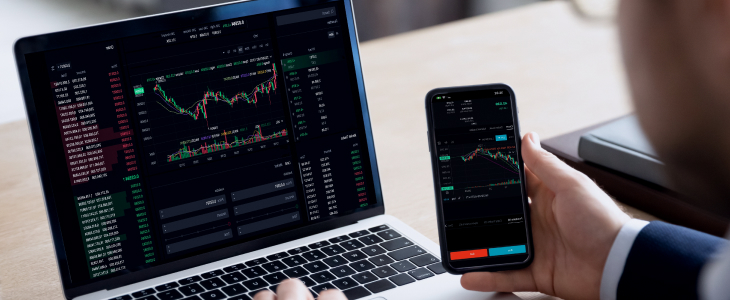
In the forex market, economic news can have a profound impact on currency movements. Keeping abreast of global economic reports, central bank announcements, and political changes is essential for traders. Using an economic calendar enables you to track important data releases and plan your trades accordingly.
Psychological Aspects of Trading
Trading psychology plays a critical role in your forex success. Emotions such as fear and greed can cloud your judgment and lead to poor trading decisions. Cultivating discipline, patience, and a strong mental framework is vital for staying on course during uncertain market conditions. Keeping a trading journal can help reflect on emotional states during trades, ultimately aiding in psychological growth as a trader.
Continuous Learning and Adaptation
The forex market is ever-evolving, requiring traders to stay informed and continuously adapt their strategies. Attending webinars, reading market analyses, and engaging with fellow traders can provide valuable insights. Additionally, learning from your losses and refining your strategies will enhance your trading skills over time.
Leveraging Technology in Forex Trading
Advancements in technology have shaped how traders operate today. Various trading platforms and tools provide a competitive edge in executing trades efficiently. Utilizing automated trading systems, algorithmic trading, and mobile trading applications can save time and enhance decision-making processes.
Conclusion
Embarking on a forex trading journey requires diligence, commitment, and a proactive approach to learning and mastering your craft. By establishing a solid trading plan, managing risks, analyzing market conditions, and maintaining a disciplined mindset, you can significantly improve your trading outcomes. Remember, practice makes perfect, and utilizing tools such as demo accounts can be invaluable in honing your skills. Stay informed, adapt to the market changes, and always strive for improvement in your forex trading practice.