
Gold trading in the Forex market has become increasingly popular among traders seeking to diversify their portfolios and capitalize on market movements. The allure of gold as a safe haven asset and its role in economic stability makes it an attractive investment choice. In this comprehensive guide, we will explore various strategies and tips for trading gold in Forex, along with insights into market dynamics. Whether you are a novice trader or a seasoned professional, this article will provide valuable information to enhance your trading experience. For more trading insights, consider exploring trading gold forex Platform Forex.
Understanding Gold Trading in Forex
Trading gold in the Forex market involves buying and selling gold against various currency pairs, typically priced in U.S. dollars. The price of gold is influenced by a multitude of factors, including economic indicators, geopolitical events, inflation rates, and changes in interest rates. As a trader, understanding these factors is crucial for making informed decisions.
Why Trade Gold?
Gold has been a trusted form of currency for centuries and continues to hold value in the modern economy. Here are some reasons why traders choose to invest in gold:
- Safe-Haven Asset: During times of economic uncertainty or geopolitical tensions, gold tends to retain its value, making it a go-to asset for risk-averse investors.
- Inflation Hedge: Gold is often viewed as a hedge against inflation. When the value of the dollar decreases, gold prices typically rise, preserving purchasing power.
- Diversification: Including gold in a trading portfolio can provide diversification, reducing overall risk.
- Liquidity: The gold market is highly liquid, allowing traders to easily enter and exit positions.
Key Factors Influencing Gold Prices
Several factors can impact the price of gold, and understanding these influences can help traders make more informed decisions:
- Economic Indicators: Key economic indicators such as employment data, GDP growth, and consumer spending can affect gold prices. Strong economic data may lead to a stronger dollar, putting downward pressure on gold.
- Central Bank Policies: Central banks play a pivotal role in shaping monetary policy, which can directly affect gold prices. For instance, when central banks lower interest rates, it can lead to an increase in gold demand.
- Geopolitical Events: Political instability, conflicts, and trade tensions can lead to a surge in gold prices as investors seek safe-haven assets.
- Inflation: Rising inflation can erode purchasing power, leading investors to flock to gold as a store of value.
Gold Trading Strategies
Here are some effective strategies for trading gold in the Forex market:
۱٫ Trend Following
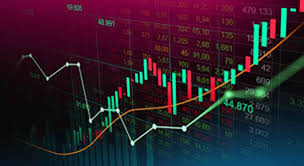
Trend-following involves identifying the direction of the gold price trend and making trades in line with the trend. Traders can use technical indicators such as moving averages, RSI, or MACD to help identify trends. Buying during an uptrend and selling during a downtrend can yield favorable results.
۲٫ Breakout Trading
Breakout trading focuses on identifying key support and resistance levels. When the price breaks through these levels, it can signal a continuation of the trend. Traders often set entry points just above resistance or below support, accompanied by stop-loss orders to manage risk.
۳٫ Swing Trading
Swing trading involves holding positions for several days to capture short- to medium-term price movements. Traders can use chart patterns, candlestick formations, and Fibonacci retracement levels to identify potential price reversals and entry points.
۴٫ Fundamental Analysis
Incorporating fundamental analysis into your trading strategy involves studying economic data and news events. Understanding how these factors affect gold prices can help you predict market movements more accurately.
Risk Management in Gold Trading
Risk management is a crucial aspect of successful trading. Here are some tips for managing risk when trading gold:
- Set Stop-Loss Orders: Always use stop-loss orders to limit potential losses on each trade.
- Determine Position Size: Calculate the appropriate position size based on your account balance and risk tolerance to avoid overexposure.
- Diversification: Don’t put all your capital into a single trade. Diversifying your trades across different assets can reduce risk.
- Regularly Review Trades: Continuously analyze your trades and adjust your strategies as needed based on market conditions.
Conclusion
Trading gold in the Forex market can be both exciting and rewarding. By understanding the factors that influence gold prices, employing effective trading strategies, and managing risk diligently, traders can enhance their success in this dynamic market. Whether you are a new trader or looking to refine your existing strategies, the knowledge gained from this article can be pivotal in your gold trading journey. Embrace the challenges and opportunities that come with trading gold, and equip yourself with the necessary tools to thrive in the Forex market.