
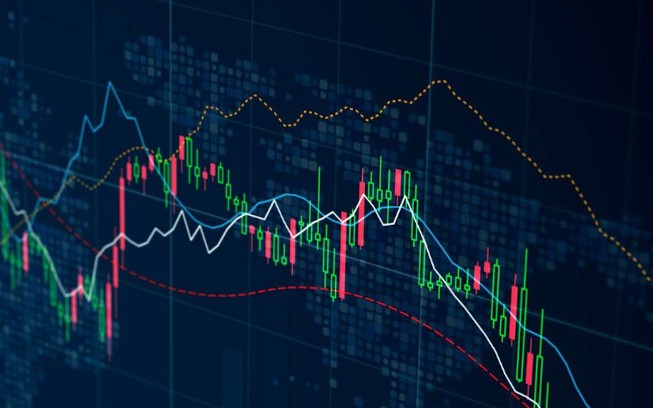
The world of forex trading has grown exponentially over the past few decades, attracting countless individuals eager to capitalize on the financial markets. However, alongside its appeal lies a contentious debate: Is forex trading akin to gambling? In this article, we will explore the nuances of this debate, examining the similarities and differences between forex trading and gambling, the inherent risks involved, and how traders can approach this financial venture responsibly. For a reliable and user-friendly experience, many traders turn to platforms like is forex trading gambling Trading Platform PH.
The Fundamentals of Forex Trading
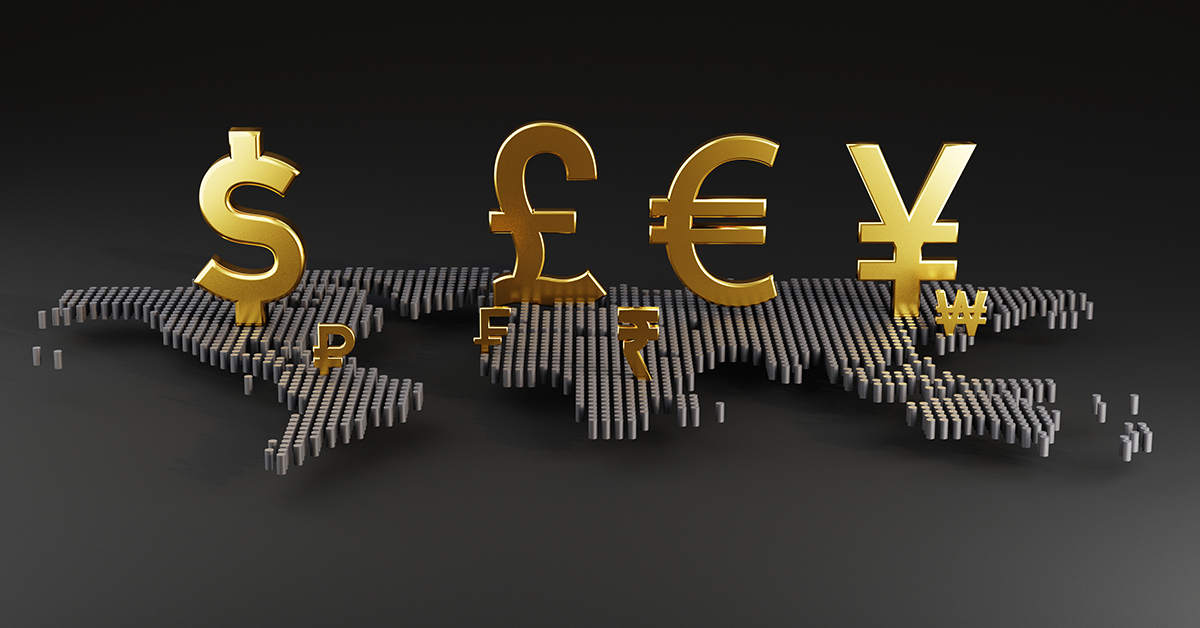
Forex trading involves the exchange of one currency for another, with the goal of making a profit based on fluctuating market rates. Unlike stock trading, which deals with company equities, forex trading focuses on currency pairs, such as EUR/USD or GBP/JPY. Traders speculate on the direction in which currency values will move, making trading decisions based on technical analysis, fundamental analysis, and market sentiment.
Understanding Gambling
Gambling is defined as betting money or valuables on an event with an uncertain outcome, with the primary intent to win additional money or valuables. This often includes games of chance, such as roulette or poker, where outcomes can be heavily influenced by luck rather than skill. The gambling industry thrives on unpredictability, making it essential for participants to understand the odds stacked against them.
Similarities Between Forex Trading and Gambling
۱٫ **Risk of Loss**: In both forex trading and gambling, individuals stand the risk of losing their invested capital. The potential for rapid gains can often be accompanied by significant losses.
۲٫ **Market Psychology**: Both activities engage participants’ emotions. Greed and fear can influence decision-making, leading to irrational trading or gambling choices.
۳٫ **Strategies and Systems**: Some traders and gamblers rely on developed strategies or systems to improve their chances of success. However, the effectiveness of these strategies is often subject to debate.
Differences Between Forex Trading and Gambling
۱٫ **Skill and Knowledge**: Forex trading requires a substantial understanding of market dynamics, economic indicators, and analytical skills. In contrast, many forms of gambling rely heavily on chance, with limited ability to influence outcomes through skill.
۲٫ **Investment vs. Gaming**: Forex trading is often viewed as an investment opportunity, allowing traders to build wealth over time. Gambling, on the other hand, is generally seen as a form of entertainment with the primary risk of loss.
۳٫ **Market Variables**: The forex market is influenced by global economic factors, political events, and market sentiment. While gambling may involve chance, the forex market operates on measurable variables that traders can analyze.
The Role of Leverage
Forex trading is characterized by the use of leverage, which allows traders to control larger positions with a smaller amount of capital. While this can amplify potential gains, it also increases the risk of loss. Leverage can create situations similar to gambling, as traders may take larger risks than they can afford. Understanding how to use leverage responsibly is crucial for anyone venturing into forex trading.
The Psychological Aspects of Trading
Psychology plays a significant role in both forex trading and gambling. The allure of quick profits can lead traders to make impulsive decisions. Emotions, particularly fear and greed, can cloud judgment and lead to significant losses. Developing a solid trading plan, employing risk management techniques, and cultivating emotional discipline can help mitigate these psychological pitfalls.
Responsible Trading vs. Risky Gambling
Approaching forex trading with a responsible mentality differentiates it from gambling. Traders should focus on educating themselves about the markets, developing a trading plan, and employing sound risk management strategies to protect their capital. Avoiding emotional decision-making and setting realistic expectations can also contribute to a more informed and strategic approach to trading.
Final Thoughts
In conclusion, while forex trading shares some similarities with gambling, it operates on a fundamentally different premise. Trading can be a profitable venture when approached with education, strategy, and discipline. Conversely, reckless trading driven by emotions can lead to detrimental outcomes, similar to gambling. Understanding the risks and adopting a responsible mindset is crucial for anyone considering entering the forex market.
Ultimately, the debate over whether forex trading is gambling may not have a definitive answer. Nonetheless, one can argue that informed and disciplined trading differs significantly from the chance-based nature of gambling. By equipping oneself with the necessary knowledge and skills, traders can engage in the forex market with the potential for success rather than participate in a game of chance.